- Off the Radar
- Posts
- The 2026 AI Map: Where Founders Should Build Next
The 2026 AI Map: Where Founders Should Build Next
A global tour of the Top 10 AI hubs. Talent, capital, and real startup signals.

Sebastian Vidal
December 30, 2025
At year ends, it’s time to look forward at places where the next decade of AI will actually be built.
This newsletter is your year‑end map: strategy, stories, and real ecosystem signals from the world’s best places to launch or scale an AI company in 2026.
AI isn’t future talk anymore, it’s happening everywhere right now. Funding flows, founder communities, and infrastructure have transformed key cities into true AI hubs. Some are the usual suspects (you’ll hear about them), and others might surprise you with how fast they’re moving.
Here’s a continent‑by‑continent journey through the most exciting AI ecosystems and one rising contender in each region.
#6 Oceania: Sydney, Australia
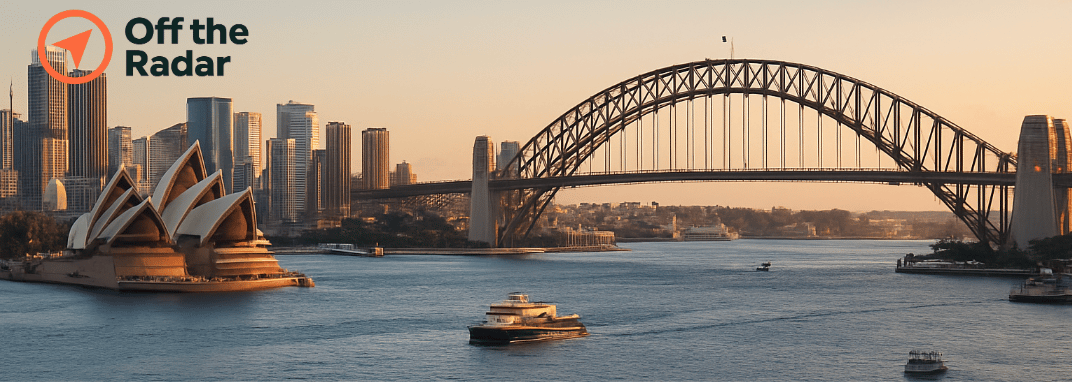
Sydney feels like a big city with a small‑city vibe for builders, yet its impact is global.
Home to Canva, where AI is baked into design workflows used by 230M+ people worldwide, Sydney is punching above its weight. Canva’s scale and persistent innovation show how local talent can build global AI tools.
Australia generally has supportive policy, talent coming from universities, and venture capital focused on AI and data. H2 Ventures, a Sydney‑based VC and accelerator with AI focus, signals that investors are not just watching, but building.
Why Sydney matters
AI tools with global reach live here.
Good mix of local capital and inbound interest.
English‑language ecosystem makes scaling to U.S./EU easier.
Closest contender: Wellington, New Zealand
New Zealand’s government and universities are pushing AI research and startup support. While smaller, Wellington’s ecosystem is tight, founders often collaborate across tech and academia.
#5 Africa: Lagos, Nigeria and Cairo, Egypt

The African AI scene is often under‑spoken, but it’s moving fast. South Africa is the leader by a margin, but there are two emerging hubs that worth look at in 2026
Lagos is the digital engine of Nigeria, where AI startups solve local challenges in language, health, and financial services. Startups like Awarri (local‑language LLMs) and Intron Health (speech AI for medical use) show how innovation ties to real demand.
Cairo sits in a country that boosted R&D spending massively. Nearly a 12x rise in science & tech investment over the last two decades. Egypt now ranks among Africa’s leaders in startup ecosystem development and innovation infrastructure.
#4 Asia: Tel Aviv, Israel (Leader) & Seoul, South Korea (Contender)
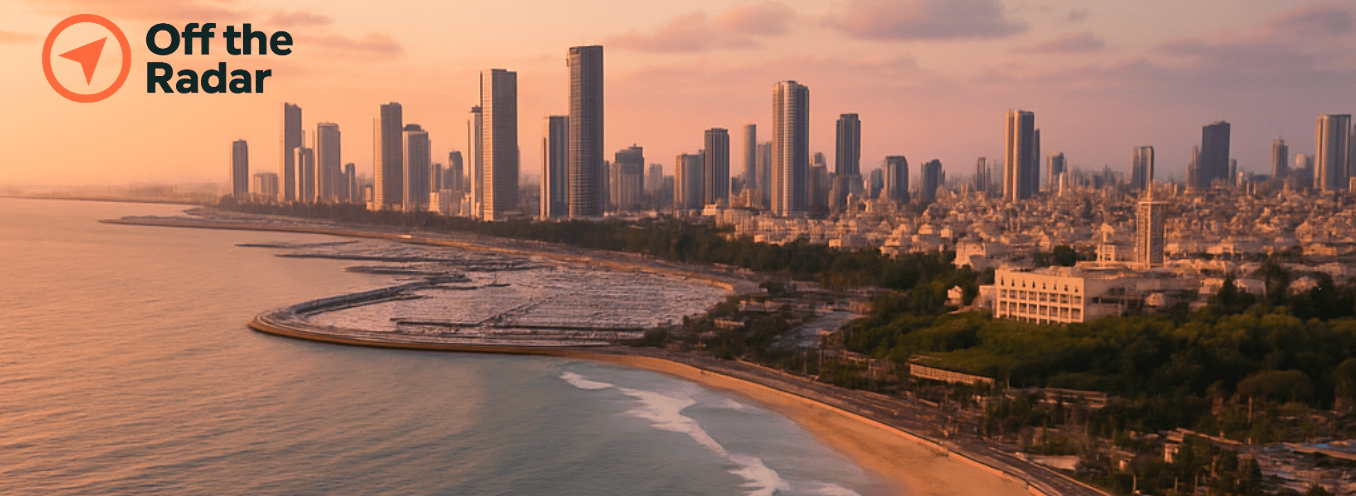
Tel Aviv, Israel
Israel’s AI strength feels almost organic. The country has seen almost 2X rise in active AI companies since 2014, far outpacing general tech growth. AI now captures nearly half of all funding rounds in the ecosystem. Talent from defense, research, and startup culture makes Tel Aviv a founder’s playground.
This ecosystem is wired for deep tech and practical AI:
Finally, Israel hosts numerous AI-focused Venture Capital (VC) firms and investors, with key players including Disruptive AI (Israel's first AI-focused VC)
Closest contender: Seoul, South Korea
A hardware and software duo makes Seoul compelling. Upstage raised significant capital in Series B (More than USD 40 million) , showing that local AI players are scaling meaningfully.
Samsung’s massive investments in AI research and chip design fuel not only local startups, but global product lines.
#3 South America: Santiago, Chile & Quito, Ecuador

Yes, Sao Paulo, Mexico City are large and led most of the AI race in Latam, but lets focus on the hubs that are showing something different. Santiago may not be massive, but it has focused density. This city packs more AI startups per capita than many larger hubs in LatAm.
🇨🇱 Two Chileans co‑founded Runway, a generative AI video pioneer now operating globally with unicorn status and serious investment traction. Other local names like Fracttal, Vambe, and Diio show diversity in AI applications from industrial to enterprise sales.
A growing tech community matched with strong startup programs (ecosystem events, public support, global networks) help founders connect with investors and markets that otherwise seem far away.
Closest contender: Quito, Ecuador
Long seen as an unexpected tech player, Quito’s AI startup Jelou AI is scaling with impressive revenue, showing that emerging cities can produce category winners.
#2 Europe: London, UK & Stockholm, Sweden
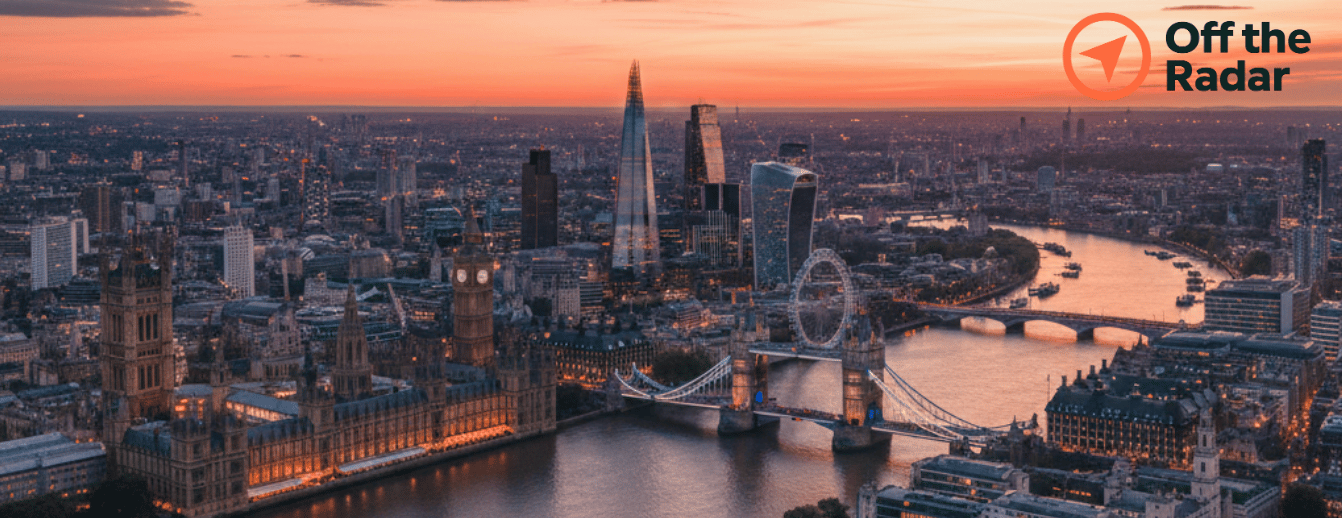
London, UK
The clearest Europe’s AI capital. London is where soft‑to‑hard AI companies coexist. Even if you founded your company elsewhere in Europe you are going to end up in The Big Smoke. Why? no surprise, the city harness a combination of large amount of VCs, tech talent and business infra. London blends deep research, seasoned investors, and global cultural pull.
Wayve, a London‑based autonomous AI vehicle company, raised over $1.3B while proving machine‑learning driving tech.
DeepMind remains a global research heavyweight.
ElevenLabs and Synthesia keep drawing investor attention and crates of users.
Closest contender (and my personal favorite): Stockholm, Sweden
A city ranking first in my “startup hubs to visit” in 2026 is Stockholm. Sweden’s AI presence gets human‑centric. Lovable hit record ARR and unicorn status in 2025. A testament to product‑led AI at scale.
Stockholm’s ecosystem leans on design, music tech (Spotify), and fintech (Klarna), turning creativity into machine‑learning power.
#1 North America: San Francisco Bay Area, USA & Toronto, Canada
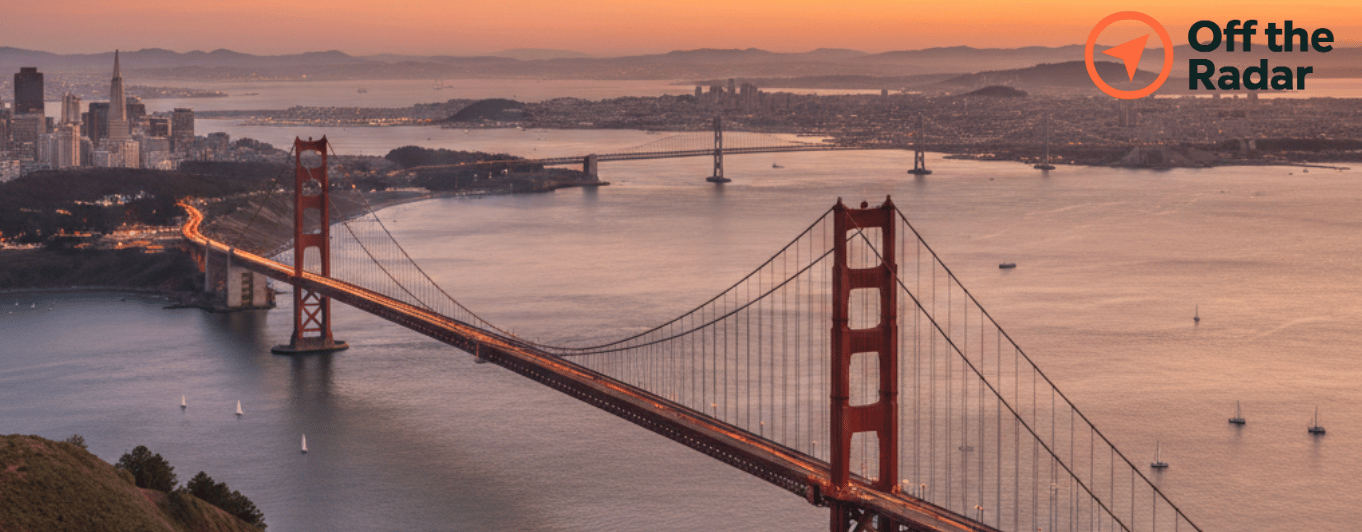
San Francisco Bay Area, USA
If AI ecosystems were planets, the Bay Area would be the sun.
Despite talent migration during the pandemic, AI brought once confused corridors back to life, and refreshed “Silicon Valley” brand recognition with solid results. The combination of venture capital depth, global talent, and enterprise demand still gives the Bay Area an almost unmatched lightning‑fast feedback loop from research to product to funding. Additionally, the region is home of the legend of all accelerators YCombinator, which has transitioned in the last couple of years to focus primeraly in AI. Finally, , Stanford University consistently ranks as the university with the most "unicorn" founders
OpenAI rewrote expectations for generative AI.
Anthropic keeps competitive pressure high.
Cursor and others capture capital AND attention.
Not so Close contender, but worth notting: Toronto, Canada
World‑class AI research institutions like Vector Institute, and global AI companies such as Cohere and Waabi, anchor Canada as a leader outside the U.S.
📍 Final Thought
AI’s not a single place anymore. It’s global, distributed, and thriving where talent meets demand with capital behind it. And 2026 will only expand that map. That I am sure…
—
Sebastián Vidal
Founder, Off the Radar