- Off the Radar
- Posts
- Living Everywhere: The Outsite Journey
Living Everywhere: The Outsite Journey
The rise of a global community built for people who work from anywhere

Sebastian Vidal
March 05, 2026
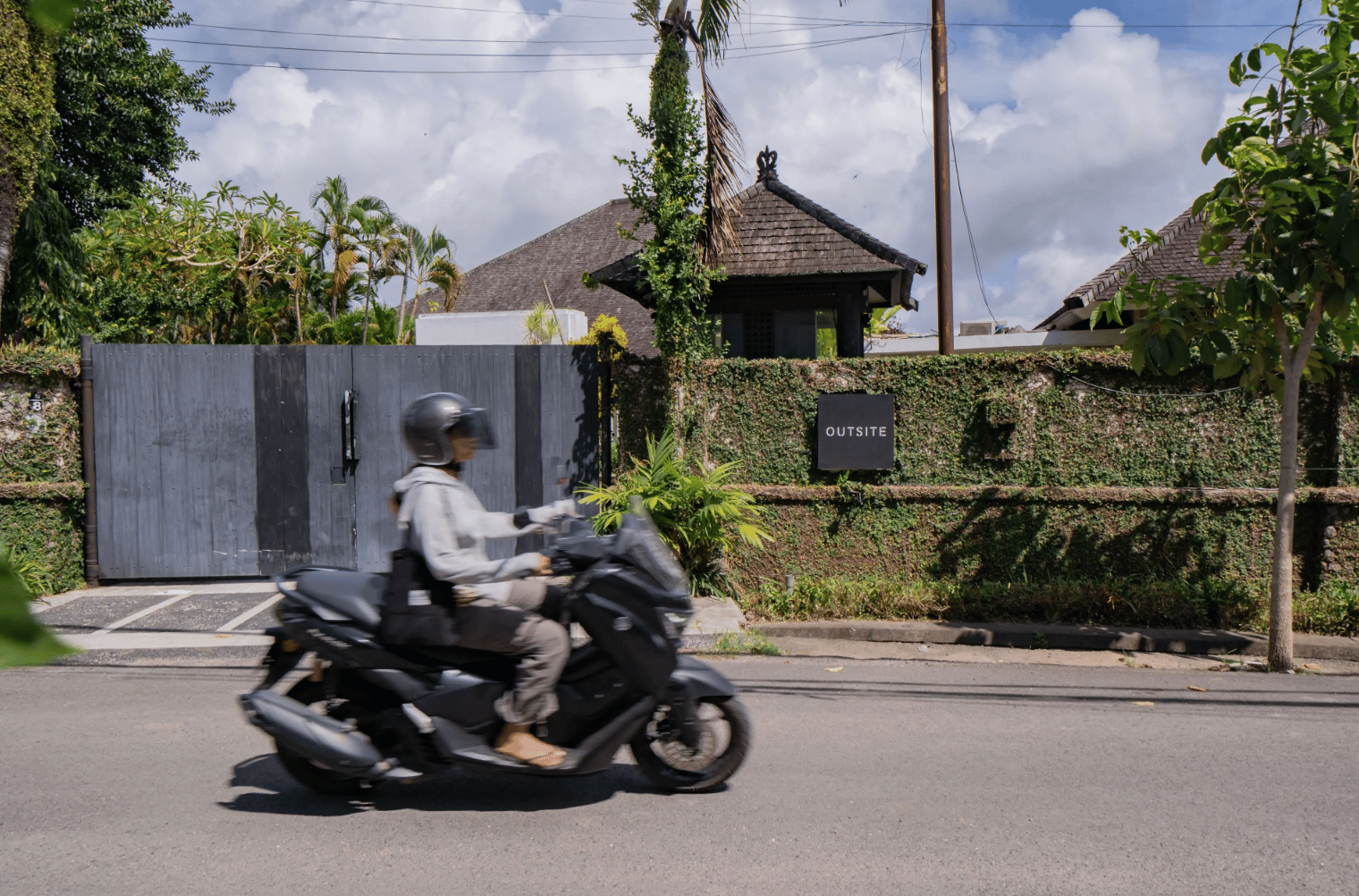
Outsite Bali
One thing I love about meeting global outstanding founders is their stories. This one fits one of the things I learned to appreciate: work and travel.
For years the promise of remote work sounded simple. You could open your laptop anywhere in the world, connect to Wi-Fi, and suddenly the whole planet became your office. Early digital nomads imagined a life where a good Airbnb and a coffee shop nearby would be enough to stay productive while exploring new places.
Reality turned out to be more complicated.
Working remotely for long periods of time requires more than a place to sleep and an internet connection. Founders, engineers, designers, and remote professionals quickly discovered that productivity depends on the environment around you. You need a solid infrastructure to work. You want access to exercise and outdoor activities. And most importantly, you want to be surrounded by people who are building things too.
A hotel room rarely offers that. An Airbnb can feel isolating. Coworking spaces help during the day but often leave people disconnected once the workday ends.
That gap led to the rise of a new category somewhere between hospitality, real estate, and community platforms. One of the companies that recognized this shift early was Outsite.
The Early Vision
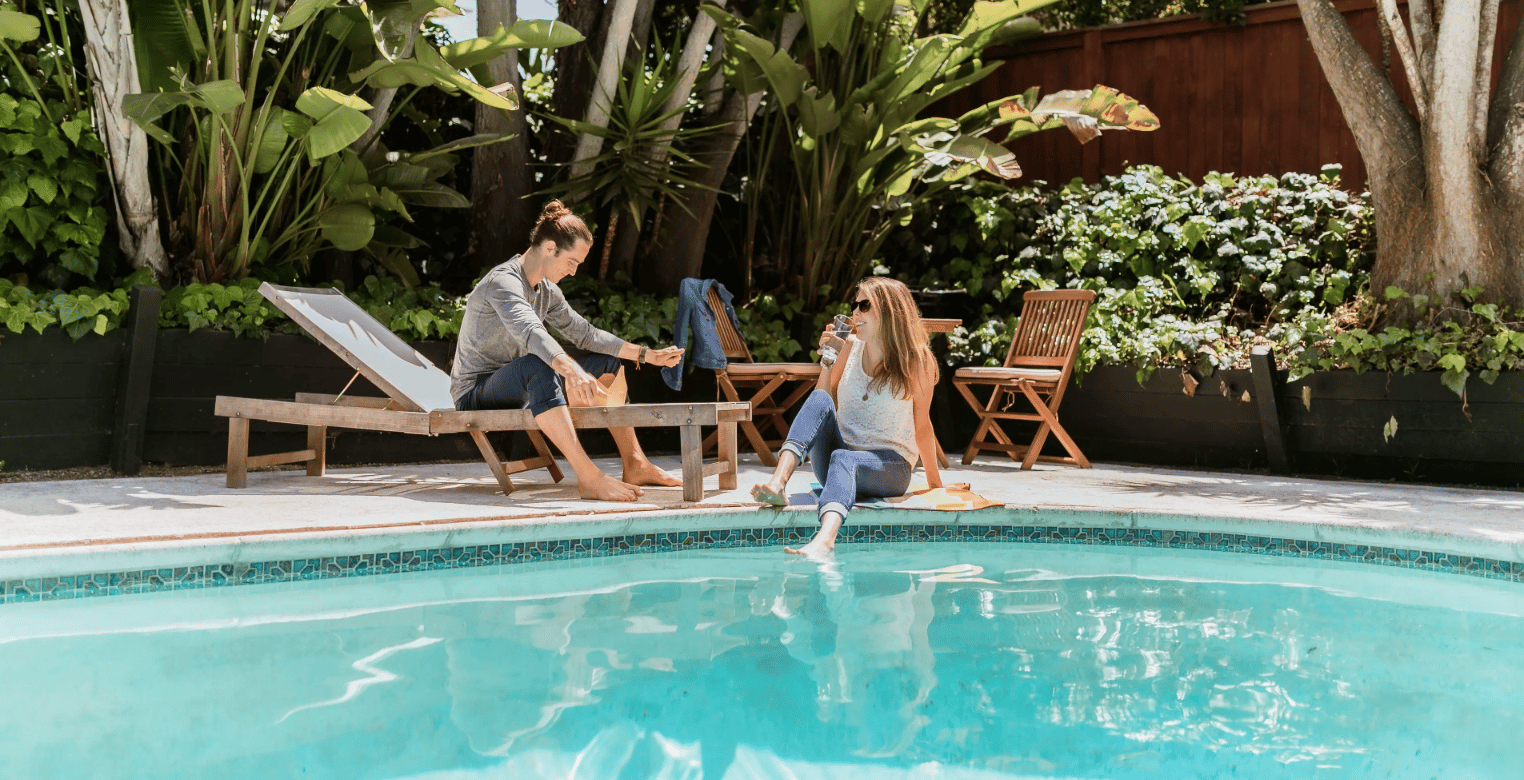
Outsite San Diego
I met Emmanuel Guisset, the founder of Outsite, almost a decade ago in San Francisco. At the time, the company had just one location operating in San Diego, California, and the concept was still experimental.
The original Outsite house was designed for remote teams and freelancers who wanted to gather for offsite retreats while continuing to work productively. The space included strong internet, shared work areas, comfortable living spaces, an unbeatable surf location, and a kitchen that encouraged interaction. It was simple but intentional, creating an environment where productivity and lifestyle could coexist.
What stood out even then was Emmanuel’s long-term vision. While many people saw the project as a single property or a niche travel concept, he believed remote workers would eventually want something much larger: a global network of homes designed for people who work from anywhere (and this was before the pandemic!).
Remote professionals could rely on a consistent ecosystem wherever they traveled. The goal was never just accommodation. It was infrastructure for a new way of living.
Puerto Rico Enters the Story
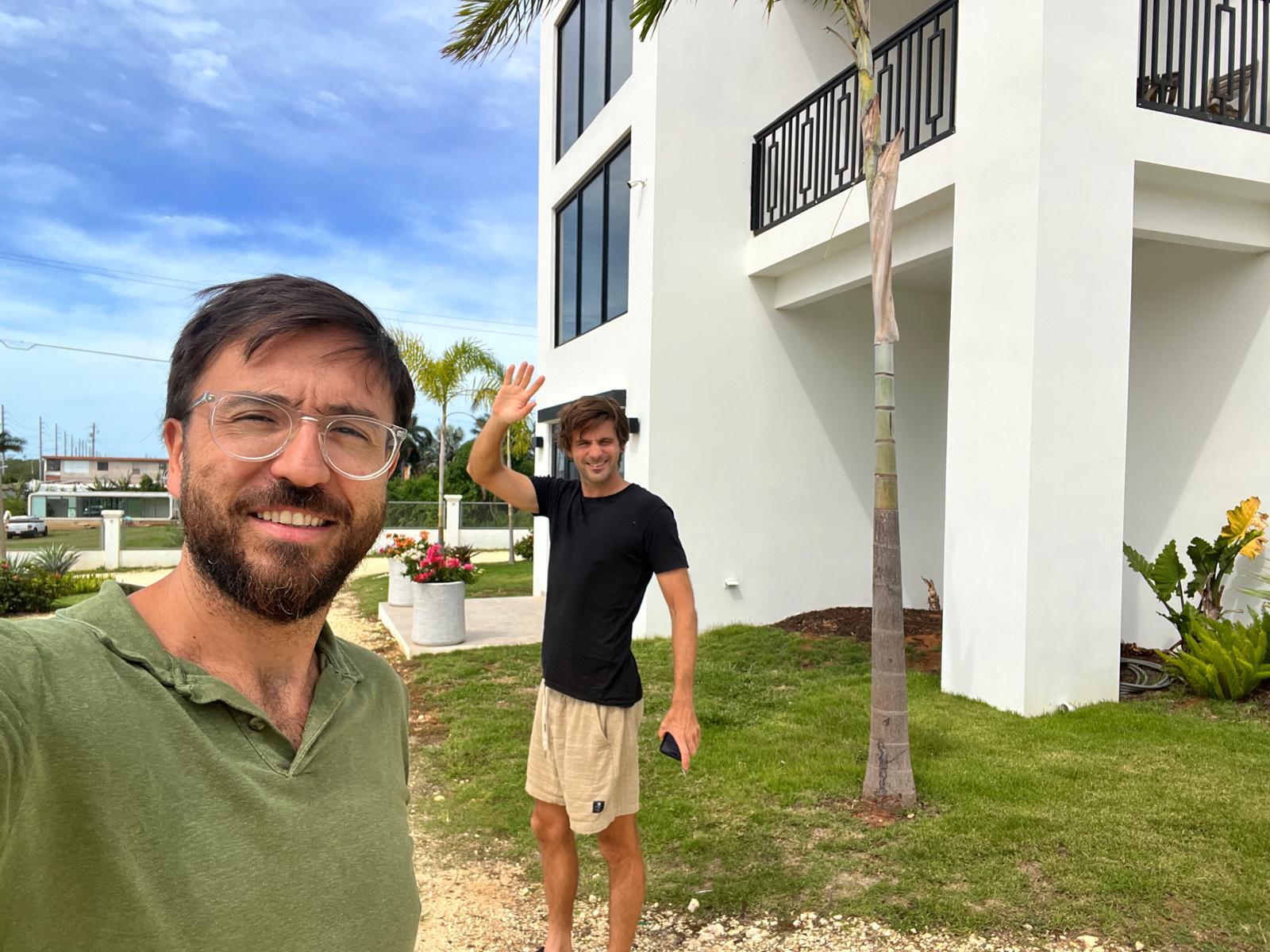
Emmanuel and myself
As Outsite began expanding beyond California, Puerto Rico became one of the places where the model started gaining momentum. The company opened several coliving locations on the island, attracting remote professionals drawn to the combination of natural beauty, affordability, and a growing entrepreneurial community.
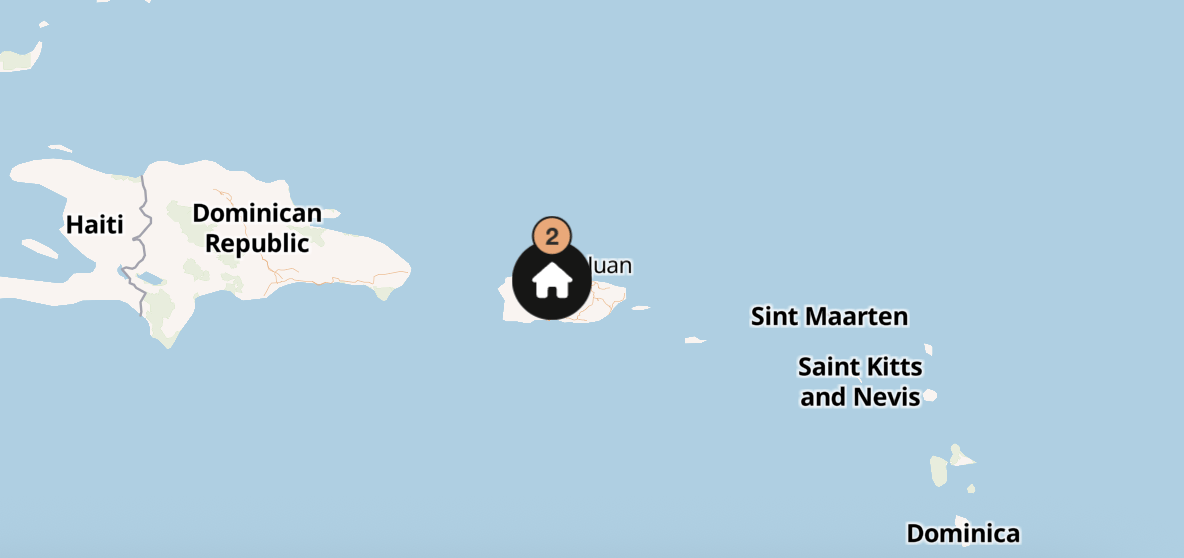
Emmanuel eventually moved to Puerto Rico himself and settled in Aguadilla, a surf town (and one my favorite places in the island) on the northwest coast known for its relaxed pace and stunning coastline.
If you have spent time in Aguadilla, you understand why it fits the Outsite concept so naturally. The days often begin with surfers heading into the water before work, followed by focused work sessions in the afternoon and relaxed evenings with friends, conversations, and shared meals.
In many ways Aguadilla reflects what Outsite had envisioned from the beginning: a place where lifestyle and productivity reinforce each other rather than compete.
Building a Global Network Was Not Easy
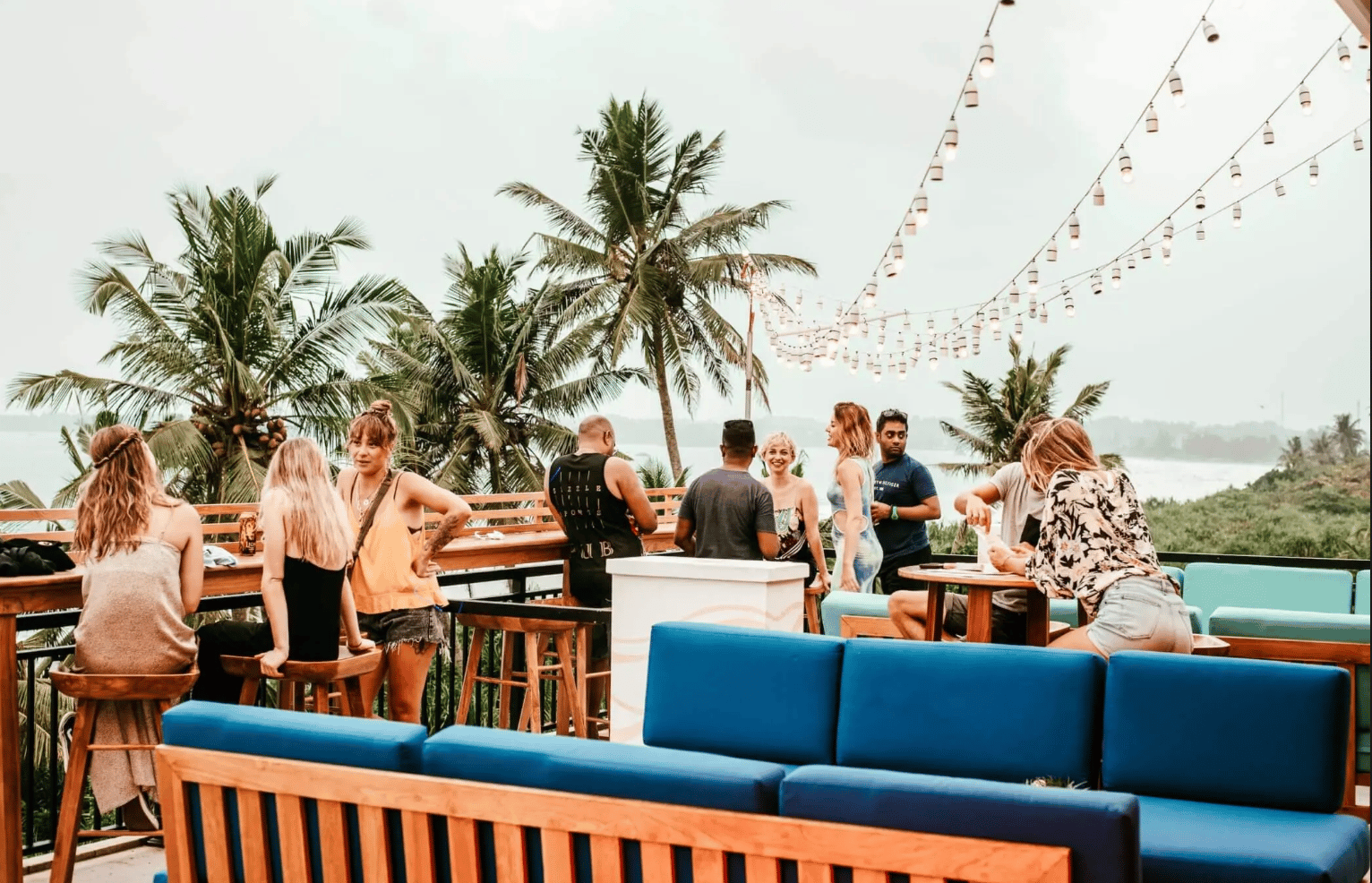
Outsite Sri Lanka
The journey from a single house in San Diego to a global network was hard. Like many startups operating across real estate and hospitality markets, Outsite experienced expansion periods, operational challenges, and funding experiments along the way.
Some locations worked immediately, attracting strong communities and steady demand. Others struggled with local regulations, seasonal travel patterns, or the complexities of managing properties across different countries.
Capital raising also came with its share of lessons. Different investors brought different expectations, and the company had to adapt while continuing to pursue its long-term vision.
Despite the inevitable ups and downs, one trend kept pushing in Outsite’s favor: the steady growth of remote work and globally mobile professionals who wanted flexibility in where they lived and worked.
The network expanded.
Outsite Today
Today Outsite operates more than 50 locations across 20 countries, connecting destinations that range from European capitals to surf towns, mountain retreats, and emerging digital nomad hubs.
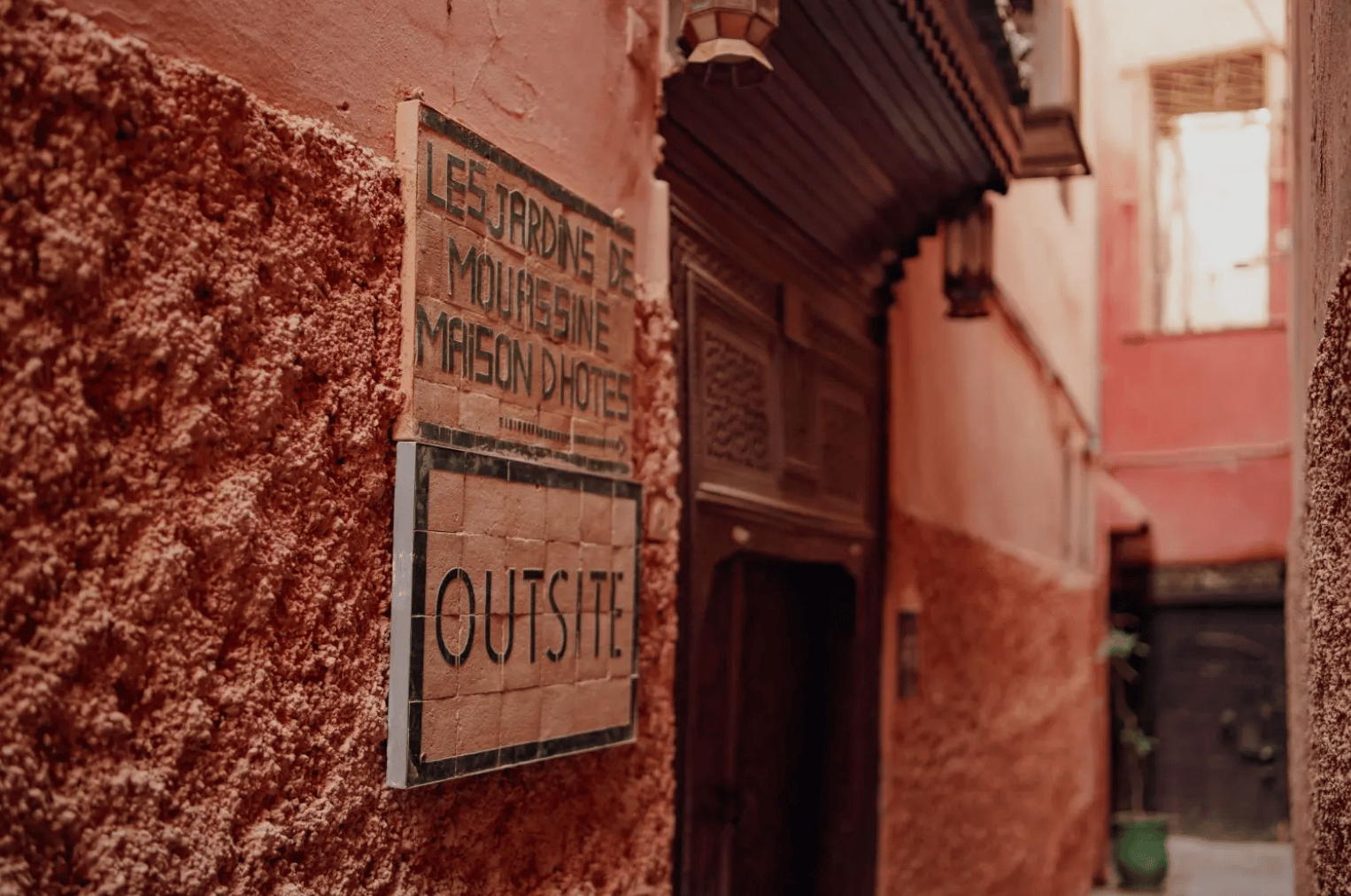
Outsite Marrakesh
The properties are designed around a straightforward idea: they should support work, life, and everything in between. Members typically find reliable high-speed internet, coworking areas, shared kitchens, comfortable living spaces, and community activities that encourage interaction among residents.
Instead of visiting a destination for a few days, many members stay for weeks or months while working remotely. Someone might spend time working in Lisbon, then head to Costa Rica for a few weeks, and later continue their journey in Bali or Mexico City.
Across all these places, the constant element is the presence of people who are building something. The community often includes founders, freelancers, designers, engineers, and remote employees who value independence but still want the energy that comes from being around others with similar ambitions.
Institutional Investors Take Notice
What once looked like a niche concept within the digital nomad community is now attracting attention from institutional investors. Outsite recently secured backing from groups including Limestone Capital, signaling that coliving is evolving into a recognized real estate category.
As remote work continues to spread across industries, investors increasingly see these hybrid living models as an important part of the future of hospitality.
Living Everywhere
The deeper idea behind Outsite is not simply travel or accommodation. The company is building a global network for people who want to live internationally without losing the sense of community that normally comes from staying in one place.
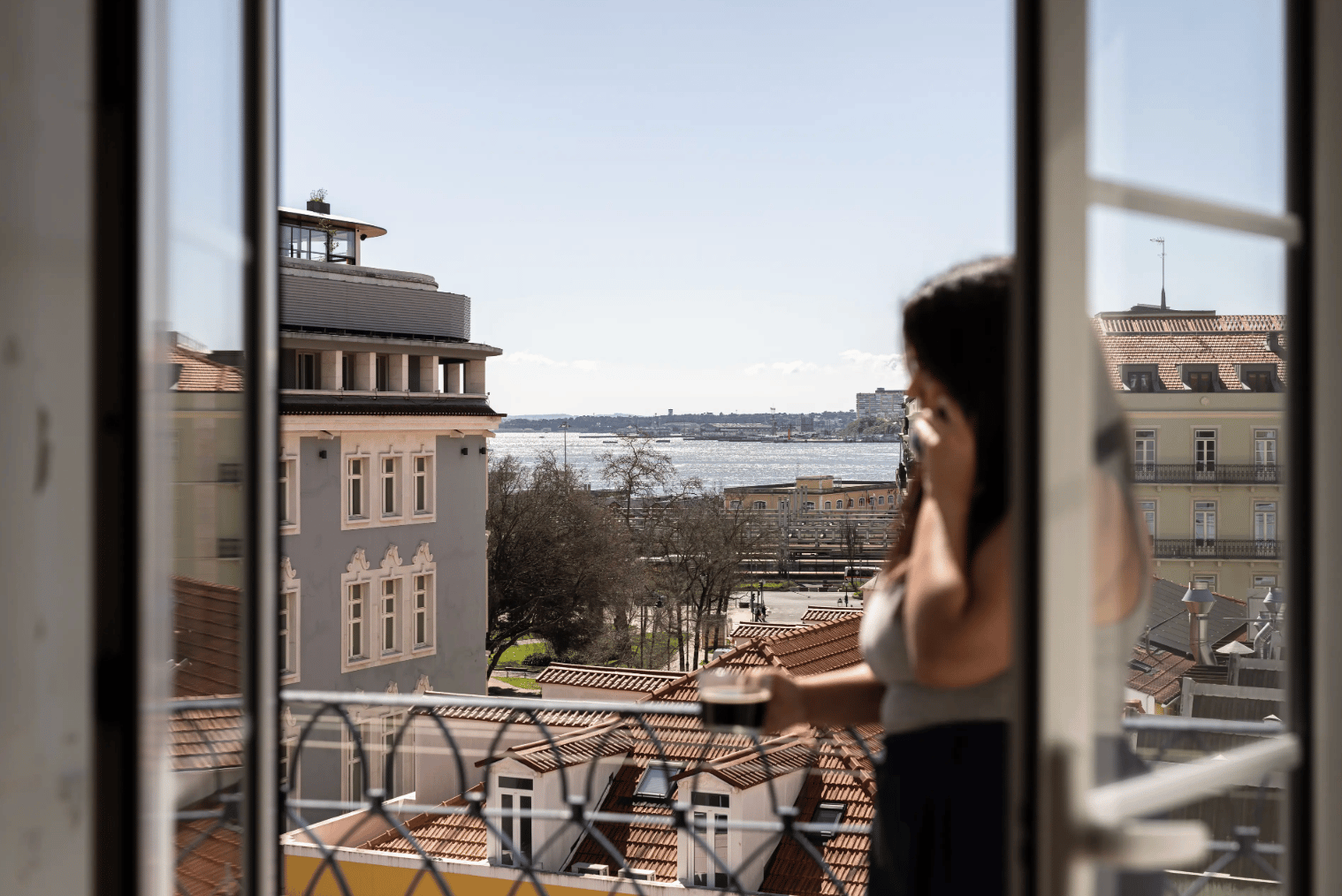
Outsite Lisboan
Arriving at an Outsite location usually means finding a familiar setup already in place: a workspace designed for productivity, shared spaces that encourage interaction, and a group of people who are often working on startups, creative projects, or remote careers.
For founders and remote professionals, that environment can make the difference between feeling like a visitor and feeling like you belong.
A Personal Note
One of the reasons I enjoy following Outsite’s story is that I saw the concept in its earliest days. What began as a small experiment around remote work and surf culture has gradually grown into a global network that reflects a much larger shift in how people think about work and lifestyle.
Talented people are increasingly choosing where they want to live rather than where their office happens to be.
And sometimes that choice leads them to unexpected places. Like Aguadilla.
So if your travels ever bring you to Outsite in Puerto Rico, don’t forget to say hi!
PS: This is not a sponsored article; I just love the concept 🌴